How Artificial Sweeteners Affect Kids’ Gut Microbiome
Many "sugar free" yogurts, drinks and snacks for children are sweetened with artificial or low calorie sweeteners. What do these ingredients do to a child's gut microbes, metabolism and long term health, and how can parents make calm, informed choices?
Introduction
The idea looks perfect on paper: give children the taste of sweet drinks, yogurt and treats, but without the sugar and calories. Artificial and low calorie sweeteners promise all of the fun and none of the sugar crash.
But there is another piece of the story we cannot see with our eyes: the trillions of bacteria and other microbes in a child's intestines. This gut microbiome helps to digest food, train the immune system and even communicates with the brain. Researchers now ask an important question: what happens when we feed these microbes artificial sweeteners instead of real sugar?
In this article we will calmly walk through:
- What artificial sweeteners are and where children meet them.
- How the gut microbiome works and why it is so sensitive in childhood.
- What human studies and reviews say about sweeteners and gut microbes.
- How to choose realistic, healthier options without creating fear at the table.
What are artificial sweeteners and where do kids meet them?
Artificial or low calorie sweeteners are ingredients that give a sweet taste with little or no calories. Some are completely synthetic, others are highly purified compounds from plants. They are used in food and drinks to replace sugar.
Main groups of sweeteners
- Non nutritive artificial sweeteners such as aspartame, sucralose, acesulfame potassium and saccharin. They are very sweet, so only tiny amounts are used.
- Plant based high intensity sweeteners such as stevia extracts and monk fruit extracts. They are often marketed as more natural but are still highly purified.
- Sugar alcohols such as sorbitol, xylitol and erythritol. They provide fewer calories than sugar, but in larger amounts can cause gas and loose stools, especially in younger children.
Typical products for children that may contain sweeteners
- Sugar free or low sugar yogurts and puddings.
- Diet sodas and "zero" soft drinks.
- Flavored waters and sports drinks.
- Chewing gum, sugar free candies and lozenges.
- Some breakfast cereals, protein bars and flavored milks.
In many countries, children and teenagers now get artificial sweeteners daily, sometimes from several products. At the same time, the use of sweeteners in school age children has increased across the last decade, often as families try to reduce sugar intake.
Kids gut microbiome basics
The gut microbiome is a community of bacteria, fungi and other microorganisms living mostly in the large intestine. In a healthy child this community:
- Helps digest fibers and some starches that human enzymes cannot break down.
- Produces vitamins and short chain fatty acids that nourish intestinal cells.
- Trains the immune system to react to infection and tolerate normal foods.
- Sends signals through the gut brain axis that can influence mood and appetite.
Why childhood is a sensitive window
A baby is born with a nearly empty gut. The microbiome then builds step by step from birth, breastfeeding or formula, first foods and environmental exposures. It continues to mature through early childhood and stabilizes mostly by late childhood or early adolescence.
During this period, the gut ecosystem is more flexible, but also more vulnerable. Antibiotics, ultra processed food patterns and high sweetener intake may all shift the composition of microbes. Researchers are studying how these early life exposures shape later risk for obesity, allergies and metabolic diseases.
What does the science say about sweeteners and the gut microbiome?
1. Artificial sweeteners and gut microbiota in adults
One influential human study in adults showed that certain artificial sweeteners can change the gut microbiota and, in some people, lead to impaired glucose tolerance. In this trial, volunteers consumed saccharin at levels within acceptable daily intake. Some developed changes in microbial composition and worse blood sugar responses after only one week, and transplanting their microbiota into mice transferred this effect to the animals.
Later reviews of many animal and human studies found that:
- Different sweeteners (sucralose, aspartame, acesulfame potassium, saccharin) can shift gut microbial composition in experimental models.
- Human clinical trials are fewer and show mixed results, but several studies report measurable microbiome changes even with standard intakes.
- We still do not fully understand which changes are harmful, neutral or possibly beneficial in the long term.
2. Evidence on children and adolescents
Direct randomized trials in children that measure both sweetener intake and gut microbiome are rare. Most pediatric data are observational: they link consumption of diet drinks or sweetener containing foods to outcomes such as weight, metabolic markers or dental health.
Several expert groups now recommend that children mainly drink water and plain milk and limit both sugar sweetened and artificially sweetened beverages, noting that long term safety in children is not yet clear and healthier drink options exist.
3. Gut microbiome reviews and key themes
Recent reviews that focus on low and non calorie sweeteners and the human gut microbiota highlight several important points:
- Results across studies are heterogeneous. Some trials show notable changes in specific bacteria or metabolites, others show small or no changes.
- The response may depend on the person's baseline microbiome and overall diet.
- There is enough evidence to say that sweeteners are not completely "inert" for gut microbes, but not enough to quantify long term health impact for children.
4. Sugar alcohols and children's digestion
Sugar alcohols such as sorbitol and xylitol are used in "sugar free" gum, candies and some syrups. Because they are only partly absorbed in the small intestine, they are fermented by gut bacteria in the large intestine and draw water into the gut.
Studies in children show that high intakes of sugar alcohols can lead to bloating, gas and diarrhea. Children with sensitive digestion or functional gut disorders may be more prone to symptoms.
Why this matters especially for kids
Sweet taste training
Children are born with a natural preference for sweet tastes. Frequent intake of drinks and foods that are intensely sweet, even without calories, may keep this preference very strong. That can make it harder to accept plain water, unsweetened yogurt or vegetables.
Developing metabolism
Studies connect frequent intake of sweetened beverages (both sugar sweetened and diet) with higher risk of weight gain and metabolic issues in youth. For sweeteners, the link is not always direct cause and effect, but experts see enough concern to recommend limiting them in everyday drinks.
Microbiome maturation
Because a child's gut community is still taking shape, repeated exposure to ingredients that shift microbial composition may have more lasting effects than in adults. We do not yet have long term controlled data, which is exactly why professional guidelines take a precautionary approach.
Practical tips: how to use this science in daily life
1. Learn to spot artificial sweeteners on labels
Typical names to look for include:
- Acesulfame potassium (often written as acesulfame K).
- Aspartame.
- Sucralose.
- Saccharin.
- Neotame, advantame.
- Stevia or steviol glycosides.
- Monk fruit (luo han guo) extracts.
- Sugar alcohols such as sorbitol, mannitol, xylitol, erythritol, maltitol.
2. Prioritize drinks that are microbiome friendly
- Plain water (still or sparkling) as the main drink.
- Plain milk or unsweetened fortified plant drinks if needed.
- Naturally flavored water with slices of fruit, herbs (mint) or small amounts of lower sugar drink mixes without artificial sweeteners.
3. Reserve sweetened drinks for occasional use
If your child already loves diet sodas or sweetened flavored water, you do not have to forbid them overnight. Instead:
- Gradually reduce how often they are offered (for example, only on weekends).
- Offer more interesting water options in fun bottles in between.
- Model the behavior: children copy what adults drink far more than what adults say.
4. Support the gut microbiome with food
No supplement can replace a balanced, fiber rich diet. To support a healthy gut ecosystem:
- Offer plenty of vegetables, fruits, oats, beans and whole grains that provide fiber.
- Include fermented foods appropriate for your child's age (plain yogurt, kefir, small portions of sauerkraut for older kids).
- Limit ultra processed snacks and both sugary and artificially sweetened drinks.
Helpful product ideas (Amazon)
Below are examples of practical items that can help families shift away from routine artificial sweeteners toward more microbiome friendly habits.

Durable, insulated bottle that keeps water cool at school or sports, making plain water more attractive than sweetened drinks.
View on Amazon
Kid friendly drink mix with simple ingredients, no artificial sweeteners and lower sugar than juice or soda, useful when transitioning away from diet soft drinks.
View on Amazon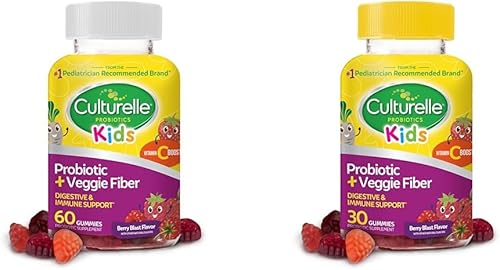
Probiotic plus fiber gummies that support digestive and immune health as part of a gut friendly lifestyle. Use only as advised by your child's doctor.
View on Amazon
Divided lunch box that makes it easy to pack fruits, veggies and whole grains in cute portions, shifting focus from packaged sweet snacks to real food.
View on Amazon
Flavorless packets of a clinically studied Lactobacillus rhamnosus GG probiotic that can be mixed into food, used when a clinician recommends probiotic support.
View on AmazonThese examples are for illustration, not a personal recommendation. Always check labels for allergens and discuss supplements with your child's healthcare provider.
Real life story: moving away from diet soda
Celebrity stories cannot replace clinical trials, but sometimes they help parents and teenagers see how small changes are possible in real life.
For example, media reports have described how Khloé Kardashian significantly reduced her soda intake as part of her long term health and weight management changes, swapping sweet soft drinks for alternatives like iced tea and water. Other public figures have spoken about replacing diet sodas with sparkling water, herbal teas or flavored waters to support their overall health goals.
The practical lesson is simple: most people who successfully reduce soda and diet drink intake do not rely on willpower alone. They:
- Make healthier drinks easy and attractive to reach for (nice bottle, fun flavors).
- Change their environment (less stocking of soda at home).
- Focus on long term lifestyle rather than short "detox" periods.
For a child, family changes are even more powerful. When parents gradually change what is in the fridge, what goes into the lunch box and what appears on the dinner table, children's habits follow.
FAQ: common questions from parents
Conclusion
Artificial and low calorie sweeteners were introduced to solve a real problem: too much sugar in modern diets. But as we learn more about the gut microbiome and the complex ways it interacts with what we eat and drink, it becomes clear that these ingredients are not invisible passengers.
For adults, moderate use of sweeteners inside an overall balanced diet may be a pragmatic choice. For children, whose gut and brain are still developing, the safest default remains simple: water, real food, and sweet treats in modest amounts that actually contain sugar, planned thoughtfully, can be easier for the body to understand than constant, intense, calorie free sweetness.
You do not need to be perfect or throw away everything in the pantry. Start with small, realistic steps:
- Make water more fun with good bottles and low sugar flavor options.
- Slowly reduce diet and sugary drinks instead of banning them overnight.
- Support the gut with fiber rich foods and, when appropriate, clinician guided probiotics.
Over months and years, these quiet, consistent choices can do more for a child's microbiome and overall health than any "quick fix" trend.
Scientific references
- Suez J, Korem T, Zeevi D, et al. Artificial sweeteners induce glucose intolerance by altering the gut microbiota. Nature. 2014;514(7521):181–186. https://pubmed.ncbi.nlm.nih.gov/25231862/
- Ruiz Ojeda FJ, Plaza Díaz J, Sáez Lara MJ, Gil A. Effects of sweeteners on the gut microbiota: a review of experimental studies and clinical trials. Adv Nutr. 2019;10(Suppl 1):S31–S48. https://pubmed.ncbi.nlm.nih.gov/30721958/
- Conz A, et al. Effect of non nutritive sweeteners on the gut microbiota: a systematic review of human studies. Nutrients. 2023;15(8):1869. https://pubmed.ncbi.nlm.nih.gov/37111090/
- Gauthier E, et al. Effect of low and non calorie sweeteners on the gut microbiota: a review of clinical trials and cross sectional studies. Nutrition. 2024. https://pubmed.ncbi.nlm.nih.gov/37034563/
- Richardson IL, et al. Non nutritive sweeteners and their impacts on the gut microbiota: a review. Front Nutr. 2022;9:988144. https://www.frontiersin.org/articles/10.3389/fnut.2022.988144/full
- Healthy Eating Research. Healthy Beverage Consumption in School Age Children: Recommendations for National and Community Policies. 2025. https://healthyeatingresearch.org/wp-content/uploads/2024/11/HER_ConsensusStatement_FINAL.pdf
- Baker SS, et al. Guidance for beverages in the diets of children younger than 5 years. J Pediatr Gastroenterol Nutr. 2021. https://healthydrinkshealthykids.org/app/uploads/2023/05/Beverage-Recommendations-Comparison_Policy-Brief_May-2023.pdf


