How Blood Sugar Fluctuations Affect Kids' Mood, Focus and Behavior
Some days your child seems calm, focused and easygoing. On other days, a sugary breakfast or a few sweet drinks are followed by meltdowns, arguments and “I cannot sit still” energy.
Many parents sense that food is involved, but are not sure how blood sugar really connects to mood and behavior. This guide explains what happens in a child's body when blood sugar swings up and down, how it can influence emotions and attention, and what gentle nutrition changes can help stabilize energy without strict or fear-based rules around food.
The goal is not a perfect diet. The goal is more stable fuel for the brain, fewer extreme highs and lows, and a calmer home rhythm that still allows treats and birthday cake.
- What blood sugar is and why kids are sensitive
- Signs that swings may be affecting mood and focus
- What science says about sugar, glycemic index and behavior
- Everyday food patterns that drive big ups and downs
- How to build "steady energy" plates for kids
- Smart drink and snack swaps (with product ideas)
- How to help without pressure or food shaming
- Real-life example: celebrity hydration habits
- Frequently asked questions
- Conclusion
- Important medical and responsibility disclaimer
- Scientific references
- Media source for real-life example
What blood sugar is and why kids are so sensitive to it
Blood sugar (glucose) is the main fuel for the brain. After a child eats, carbohydrates are broken down into glucose and absorbed into the bloodstream. Hormones, especially insulin, help move that glucose into cells so that it can be used for energy.
In a perfect scenario, blood sugar rises gently after a meal, then slowly comes down over a few hours. But when a meal is high in refined sugar and low in fiber, protein and fats, blood sugar can climb quickly and then fall sharply. Those swings can be hard on a child's body and brain.
Why swings matter for mood and behavior
- Rapid rise: Sweet drinks, sugary cereals or pastries can cause a quick spike. Kids may feel briefly energetic, talkative or “hyper”.
- Steep drop: As insulin works, levels can fall quickly. Some children become irritable, weepy, angry or unable to focus when that drop happens.
- Stress hormones: Very low levels can trigger stress hormones, which may look like restlessness, clinginess or emotional outbursts.
- Sleep and night eating: Big swings during the day can also affect evening hunger and sleep quality, especially if dinner is unbalanced.
Children often have smaller livers and less stored energy than adults, so they can be more sensitive to going long stretches without food or to very sugary snacks on an empty stomach.
Common signs that blood sugar swings may affect your child's day
Only a clinician can diagnose blood sugar disorders such as diabetes, but many families notice behavior patterns that track with meals and snacks even in otherwise healthy children.
| Time of day | Typical pattern | What might be happening |
|---|---|---|
| Morning before school | Grumpy, slow to start, or “wired” after a sweet breakfast | Either not enough food at all, or high sugar without protein and fiber |
| Late morning | Difficulty concentrating, more arguments with peers | Breakfast “wore off”, blood sugar dipping too quickly |
| After school | Meltdowns in the car, craving sweets, “hangry” | Long gap between lunch and snack, plus mental fatigue |
| Evening | Endless snacking, trouble winding down, bedtime battles | Trying to “catch up” on calories, plus stimulating snacks and screens |
These signs are not proof of a medical problem, but they are useful clues. Keeping a simple diary of meals, snacks and behavior over one or two weeks can help parents and clinicians see patterns.
What science says about sugar, glycemic index and behavior
Researchers have looked at how sugary drinks, added sugars and the glycemic index of meals relate to children's behavior and cognitive function.
1. Sugary drinks and behavior problems
A large U.S. cohort study of five-year-olds found that children who drank more soda had higher scores for aggressive behavior, attention problems and withdrawn behavior compared with those who drank none. The risk rose with each additional daily serving of soda.
Reviews of added sugar intake in children link high-sugar patterns not only to dental issues and obesity, but also to conditions such as attention-deficit or hyperactivity symptoms in some children.
2. Glycemic index, breakfast and school performance
The glycemic index (GI) describes how quickly a carbohydrate food raises blood sugar. Several trials in school-aged children found that lower-GI or more slowly digested breakfasts were associated with better attention, memory or sustained performance over the school morning compared with high-GI options or skipping breakfast.
In one study, a low-GI cereal breakfast helped prevent cognitive performance from declining across the morning compared with a high-GI cereal. Another trial showed that different breakfast types (for example, oatmeal versus highly processed cereal) influenced specific tasks that require complex visual processing and working memory.
3. Overall diet quality and mental health
A systematic review of studies in children and adolescents found that unhealthy dietary patterns (high in processed foods and added sugars, low in whole foods) were consistently associated with poorer mental health, including more emotional and behavioral difficulties.
Observational research also suggests that “processed food–sweet” dietary patterns are linked to a higher risk of attention deficit or hyperactivity symptoms in school-aged children, although these studies cannot prove cause and effect.
Everyday food patterns that drive big ups and downs
Many children do not consume large amounts of sugar from candy alone. Instead, blood sugar swings often come from a combination of:
- Sweet drinks (juice, soda, flavored milks, sports drinks)
- Refined breakfast cereals, white bread and pastries
- Frequent sweet snacks with little protein or fiber
- Long gaps between meals, especially on busy school or activity days
Typical “roller coaster” day
A classic example might look like:
- Breakfast: Sweet cereal with little protein and a glass of juice.
- Mid-morning: Quick burst of energy, then difficulty concentrating and irritability.
- Lunch: Refined bread sandwich and sweetened drink.
- After school: Very hungry, reaches for cookies or candy.
- Evening: Ups and downs in behavior, trouble winding down for sleep.
None of these foods must disappear forever. The goal is to change the pattern so that sugary items are surrounded by slower-digesting foods, and so that long gaps without food are reduced.
How to build “steady energy” plates for kids
A child-friendly way to think about blood sugar is to ask: “Where is the protein? Where is the fiber? Where is the color?”
Balanced plate formula
- Protein: Eggs, yogurt, cheese, beans, nut or seed butters, tofu, fish or poultry.
- High-fiber carbs: Oats, whole-grain bread or pasta, brown rice, quinoa, potatoes with skin, beans and lentils.
- Healthy fats: Nuts, seeds, avocado, olive oil, full-fat yogurt if tolerated.
- Color: Fruits and vegetables for vitamins, minerals and extra fiber.
Example: reworking a typical breakfast
| Instead of | Try this steady-energy version |
|---|---|
| Sugary cereal and juice | Oatmeal with berries and a spoon of nut butter, plus water or milk |
| Plain white toast with jam | Whole-grain toast with peanut butter and a sliced banana |
| Sweet pastry on the go | Egg-and-cheese sandwich on whole-grain English muffin, plus a piece of fruit |
The difference is not just about sugar content. The added protein, fat and fiber slow down digestion, which helps keep blood sugar from spiking and crashing.
Smart drink and snack swaps (with gentle product ideas)
Parents do not need to ban all sweets to support better blood sugar balance. Often, the biggest impact comes from changing drinks and everyday snacks.
Key priorities for blood sugar friendly choices
- Offer water as the default drink; use sweet drinks for special occasions.
- Choose snacks with at least some protein or fiber instead of pure sugar.
- Use containers and lunchboxes that make it easy to pack balanced options.
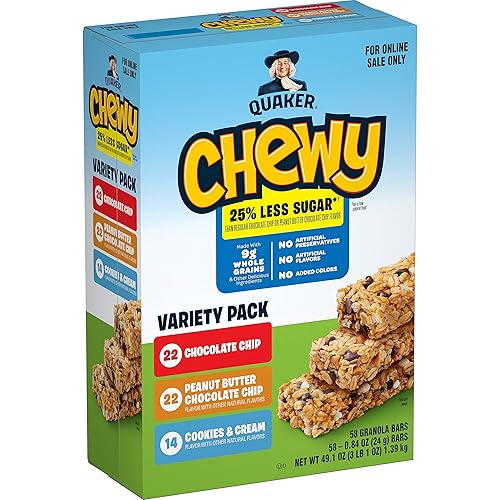
Example products that can support better habits
Illustrative product ideas (always follow package instructions and your pediatrician's advice)



How to help without pressure or food shaming
Children quickly pick up on adult anxiety around food. The aim is to improve patterns without turning meals into a constant fight.
Gentle approaches that often work better
- Change the environment, not the child: Keep water visible and cold, place fruit at eye level, and avoid storing large amounts of soda at home.
- Offer, do not force: Present balanced options regularly and allow children to listen to their appetite, instead of insisting they “finish everything”.
- Use neutral language: Instead of calling foods “good” or “bad”, talk about “everyday” foods that help the body grow and “sometimes” foods that are for fun.
- Keep treats predictable: Small, predictable treats can reduce obsession and sneaking, which sometimes leads to overeating.
- Protect family meals: As much as possible, sit together without screens, which helps children notice when they feel full and creates emotional safety around food.
Real-life example: celebrity hydration habits and kids' routines
Public figures often influence family habits in simple ways. Recently, Kendall and Kylie Jenner were photographed leaving a workout class carrying large insulated HydroJug Traveler water bottles, which drew attention to how much easier hydration becomes when a bottle is always on hand and drinks stay cold for hours. The same brand also makes child-size bottles.
For children, a smaller, fun-looking bottle can be a powerful cue. When water is easy to access and feels special (favorite color, favorite straw), it naturally replaces some sweet drinks without long lectures about sugar. The lesson is not to copy everything celebrities do, but to borrow practical ideas that make healthy defaults feel simple and enjoyable for kids.
Frequently asked questions
Research results are mixed. Some controlled trials do not find a direct “sugar equals hyperactivity” effect in all children. However, high-sugar patterns are linked to behavior problems, and many parents notice mood swings after very sugary foods or drinks. Each child is unique, and overall diet pattern seems more important than one single ingredient.
Most pediatric guidelines suggest keeping juice and sugar-sweetened drinks to a minimum, but not necessarily eliminating them forever. Many families find a realistic rhythm by making water and milk the daily drinks, and saving soda or juice for special occasions.
Nutrition is not a cure for complex conditions, but a steadier fuel supply can sometimes reduce additional stress on the brain. Stable meals and fewer large sugar swings may support attention, sleep and overall wellbeing, even when a child also needs therapies, medications or school support. Always discuss changes with your pediatrician or specialist team.
Some families notice fewer after-school meltdowns or less “late night wired” energy within one or two weeks of adjusting drinks and basic meal structure. For other children, changes are more gradual. Keeping notes for a few weeks can help you and your clinician see any patterns more clearly.
Conclusion
Blood sugar is not visible, but its effects often show up in the most everyday places: school mornings, homework time, after-school car rides and bedtime routines. While sugar alone does not explain every emotional or behavioral challenge, studies suggest that high-sugar, highly processed dietary patterns are linked with more behavior problems, and that slower-digesting, whole-food patterns support steadier mood and attention in many children.
Parents do not need to create a perfect menu or remove every treat. Small, consistent steps usually matter more:
- Making water the default drink.
- Adding protein and fiber to breakfasts and snacks.
- Packing more balanced lunches in practical containers.
- Planning predictable, calm family meals without screens.
Over time, these choices can help smooth out blood sugar “roller coasters”, so that children have more stable fuel for learning, playing and sleeping. When in doubt, work with your pediatrician or a registered dietitian who can consider your child's medical history, growth pattern and family life.
Important medical and responsibility disclaimer
Scientific references
- Suglia S.F., Solnick S., Hemenway D. Soft Drinks Consumption Is Associated with Behavior Problems in 5-Year-Olds. The Journal of Pediatrics. 2013;163(5):1323–1328. PubMed Central
- Paglia L., Friuli S., Colombo S., Paglia M. The effect of added sugars on children's health outcomes: Obesity, Obstructive Sleep Apnea Syndrome (OSAS), Attention-Deficit/Hyperactivity Disorder (ADHD) and Chronic Diseases. European Journal of Paediatric Dentistry. 2019;20(2):127–132. PubMed
- Cooper S.B., Bandelow S., Nute M.L. et al. Breakfast glycaemic index and cognitive function in adolescent school children. British Journal of Nutrition. 2012;107(12):1823–1832. Journal link
- Ingwersen J., Defeyter M.A., Kennedy D.O. et al. A low glycaemic index breakfast cereal preferentially prevents children's cognitive performance from declining throughout the morning. Appetite. 2007;49(1):240–244. ScienceDirect
- Mahoney C.R., Taylor H.A., Kanarek R.B., Samuel P. Effect of breakfast composition on cognitive processes in elementary school children. Physiology & Behavior. 2005;85(5):635–645. PubMed
- O'Neil A., Quirk S.E., Housden S. et al. Relationship between diet and mental health in children and adolescents: A systematic review. American Journal of Public Health. 2014;104(10):e31–e42. PubMed
- Woo H.D., Kim D.W., Hong Y.S. et al. Dietary patterns in children with attention deficit/hyperactivity disorder (ADHD). Nutrients. 2014;6(4):1539–1553. MDPI
- World Health Organization. Guideline: Sugars Intake for Adults and Children. Geneva: WHO; 2015. WHO guideline


