Iron Deficiency in Children: The Hidden Link to Fatigue & Learning Struggles
Iron Deficiency in Children: The Hidden Link to Fatigue & Learning Struggles
Iron deficiency is one of the most common nutritional deficiencies worldwide — and children are among the most vulnerable. Yet many parents do not immediately connect iron levels with daily fatigue, irritability, low concentration, or declining school performance. When a child seems constantly tired, easily distracted, or emotionally reactive, the explanation may not be laziness or behavior — it may be biology.
Iron plays a foundational role in oxygen transport, brain development, neurotransmitter production, and energy metabolism. Without adequate iron, the developing brain cannot function at full capacity. Over time, even mild deficiency can affect attention span, memory, mood regulation, and academic outcomes.
Why Iron Is Essential for the Growing Brain
Iron is required to produce hemoglobin, the protein in red blood cells that carries oxygen. Every organ depends on oxygen — especially the brain. When iron levels are low, oxygen delivery decreases, and cells must work harder to generate energy.
But iron does more than transport oxygen. It is also involved in:
- Dopamine and serotonin synthesis
- Myelination of nerve fibers
- Memory formation pathways
- Regulation of immune function
- Muscle endurance and stamina
During early childhood and adolescence — periods of rapid growth — iron demands increase significantly. If intake does not match developmental needs, deficiency can emerge gradually.
Signs of Iron Deficiency in Children
| Physical Signs | Cognitive & Behavioral Signs |
|---|---|
| Fatigue | Difficulty concentrating |
| Pale skin | Memory challenges |
| Shortness of breath during play | Irritability |
| Frequent infections | Low motivation |
| Headaches | Slower processing speed |
Because these symptoms overlap with many other childhood challenges, iron deficiency often goes unnoticed until blood tests confirm anemia.
How Iron Deficiency Impacts Learning & Academic Performance
Research shows that iron deficiency anemia in children is associated with impaired cognitive development, lower academic achievement, and attention difficulties. Iron supports neurotransmitter systems involved in executive function — the mental skills that help children plan, focus, remember instructions, and regulate impulses.
Even before anemia develops, low iron stores may influence attention and behavior. Teachers may notice reduced participation, daydreaming, or slower task completion.
Importantly, many studies suggest that early identification and correction can improve cognitive outcomes. This highlights the importance of proactive nutrition and medical monitoring.
Real-Life Example: Iron & Athletic Fatigue
Elite athletes frequently monitor iron levels because deficiency impairs stamina and mental focus. For example, Olympic runners have publicly discussed managing iron status to maintain performance. The principle is similar in children: without adequate iron, endurance — physical and mental — declines. While children are not elite athletes, their brains are performing demanding cognitive work daily.
Which Children Are at Higher Risk?
- Rapidly growing toddlers
- Adolescents during growth spurts
- Children with limited meat intake
- Highly selective eaters
- Girls after menstruation begins
- Children with chronic inflammatory conditions
Food Sources of Iron
Iron exists in two main forms: heme and non-heme iron. Heme iron (from animal sources) is more easily absorbed. Non-heme iron (from plants) can still contribute significantly, especially when combined with vitamin C.
| Heme Iron Sources | Non-Heme Iron Sources |
|---|---|
| Lean beef | Lentils |
| Chicken thighs | Spinach |
| Turkey | Beans |
| Fish | Fortified cereals |
Pair plant-based iron with vitamin C-rich foods such as berries, citrus, or bell peppers to improve absorption.
Practical Tools to Support Iron-Rich Eating

Cast Iron Skillet
Cooking acidic foods like tomato sauces in cast iron can modestly increase iron content of meals. A practical kitchen upgrade for iron-focused families.
View on Amazon
Kids Bento Lunch Box
Encourages balanced meals with compartments for protein, leafy greens, and vitamin C-rich fruits.
View on Amazon
Digital Kitchen Food Scale
Helps parents understand portion sizes when tracking nutrient intake.
View on Amazon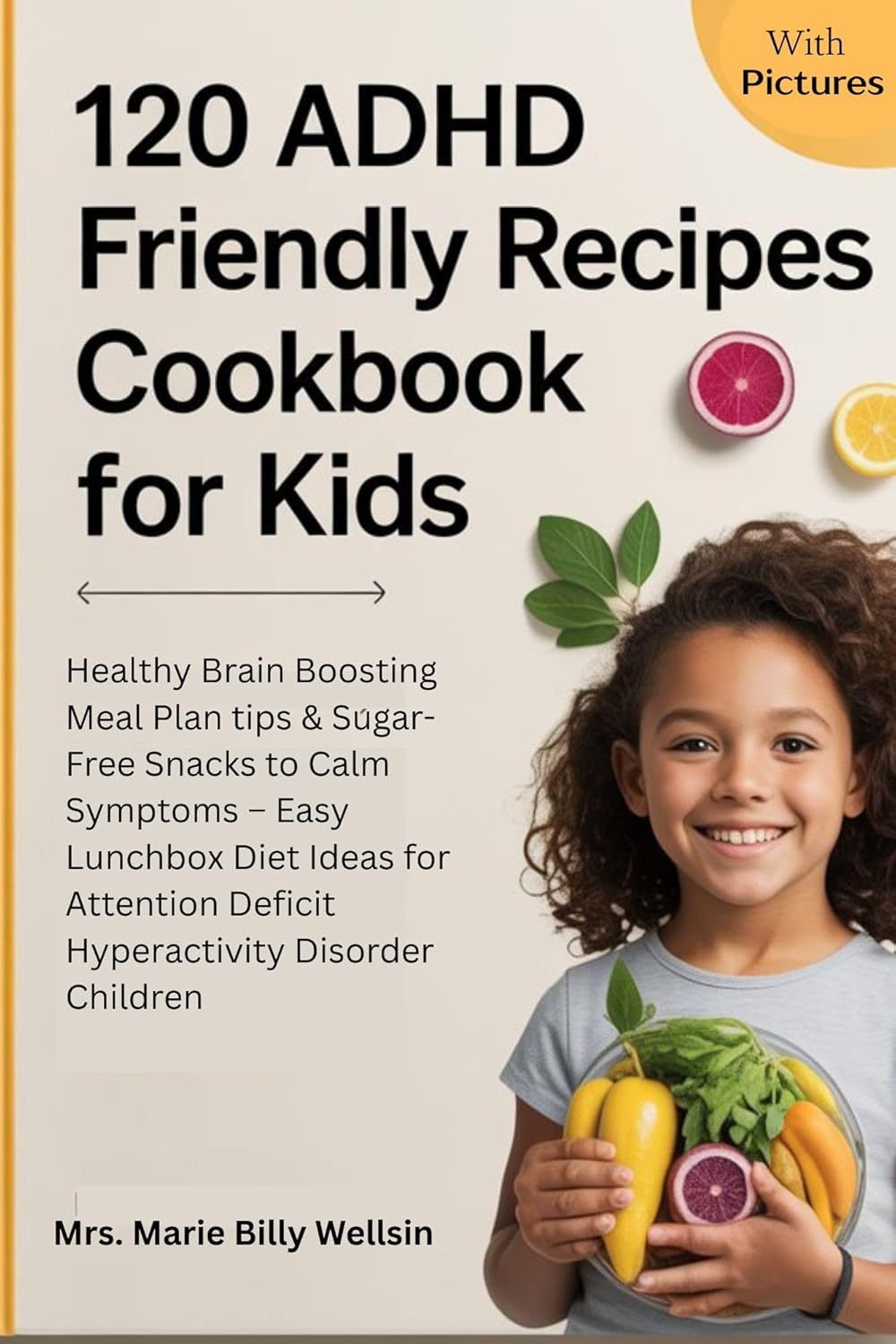
Children’s Iron-Rich Recipe Cookbook
Offers creative meal ideas incorporating iron-dense ingredients kids actually enjoy.
View on Amazon
Stainless Steel Kids Water Bottle
Hydration supports circulation and overall energy, complementing iron optimization.
View on AmazonWhen to Seek Medical Advice
If fatigue persists, if academic performance declines unexpectedly, or if physical symptoms such as pallor and breathlessness appear, consult a pediatric healthcare provider. Blood tests measuring hemoglobin and ferritin levels can determine iron status.
Supplementation should only occur under medical supervision. Excess iron can be harmful. Balanced dietary improvement remains the first-line approach unless deficiency is confirmed.
Conclusion
Iron deficiency in children is common, often subtle, and frequently overlooked. Its effects extend beyond tiredness — influencing mood, attention, memory, and school performance.
By understanding risk factors, prioritizing iron-rich foods, and seeking medical guidance when needed, parents can support both physical energy and cognitive development. Small, consistent nutritional strategies can create meaningful long-term outcomes.
Scientific Sources
- World Health Organization. Iron deficiency anaemia: assessment, prevention and control.
- Lozoff B, et al. Long-lasting neural and behavioral effects of iron deficiency in infancy.
- McCann JC, Ames BN. An overview of evidence for a causal relation between iron deficiency and cognitive deficits.
- Beard JL. Why iron deficiency is important in infant development.
- Grantham-McGregor S, Ani C. A review of studies on the effect of iron deficiency on cognitive development.


