Ultra-Processed Foods: How They Shape Appetite, Mood & Energy in Kids
Ultra-processed foods are everywhere — especially in kid-friendly snacks that look “healthy” on the front of the package. This guide explains what ultra-processed really means, why it matters for children’s bodies and brains, and how to build a smarter snack routine without turning food into a daily battle.
Introduction: Why “snack culture” matters more than it seems
For many kids, snacks are not a small extra — they are a large part of daily calories. School days, sports, screen time, car rides, and busy evenings can turn snacks into the main fuel source. When the default snack is ultra-processed, two things often happen: (1) kids learn that food is something that comes from a wrapper, and (2) appetite cues get confusing because ultra-processed foods are engineered to be easy to overeat.
This article is not about “perfect eating.” It is about building a home environment where the easiest choices are also the most nourishing ones. The goal is calmer routines, steadier energy, better mood support, and fewer label-traps — while still letting kids enjoy food.
The most powerful change is not banning foods — it is upgrading the default: what is visible, ready, and easy.
What counts as ultra-processed food (UPF)?
“Ultra-processed” does not simply mean “processed.” Washing, freezing, pasteurizing, canning, and cooking are forms of processing. Ultra-processing usually means industrial formulations made with ingredients you would not use in a typical home kitchen, often designed for long shelf life, hyper-palatable taste, and convenience. A widely used framework in research is the NOVA classification, which separates foods into minimally processed, culinary ingredients, processed foods, and ultra-processed foods.
Examples of minimally processed
- Fruit, vegetables, eggs, plain yogurt, oats
- Frozen berries, frozen veggies
- Plain nuts, beans, rice, chicken
Common UPF snack signals
- Colors, flavors, emulsifiers, “modified” starches
- “Diet” sweeteners and intense sweetness with few calories
- Refined grains + added sugars + seed oils + flavor systems
Important nuance: a food can be “higher quality” within a processed category. The goal is not fear — it is choosing more often the foods that support stable energy and healthy growth.
Why kids may be more affected than adults
Children are in rapid growth: brain development, bone building, immune training, and gut maturation all happen while their taste preferences are being formed. Ultra-processed snack patterns can matter because they tend to: replace nutrient-dense foods, concentrate sugars and refined starches, and deliver additives that may interact with the gut ecosystem. Research in multiple populations links higher ultra-processed intake to higher total energy intake and weight gain in adults, and emerging pediatric studies suggest similar concerns for children and adolescents.
| What kids need | What UPF-heavy snacking often delivers | What parents usually notice |
|---|---|---|
| Protein, fiber, minerals, steady energy | Fast carbs, flavor boosters, less fiber | Hunger soon after snacking |
| Iron, zinc, omega-3s, choline (brain support) | Calories without “building blocks” | Mood swings, low stamina |
| Healthy microbiome variety | Low-prebiotic patterns, additive exposure | Digestive complaints, picky eating |
Gut microbiome, additives, and artificial sweeteners: what science can (and cannot) say
The gut microbiome helps train the immune system, supports the gut barrier, and produces metabolites (like short-chain fatty acids) that can influence inflammation and even brain signaling. Ultra-processed diets often reduce dietary fiber diversity, which is one of the most consistent factors linked to healthier microbiome patterns.
1) Low fiber is the quiet problem
Many “kid snacks” are refined grains with small amounts of added fiber. But microbiome-supportive fiber usually comes from whole plants (beans, lentils, oats, vegetables, berries, nuts and seeds) and from a variety of sources — not just one isolated fiber. When snacks become mostly refined starch, it can crowd out fiber-rich foods at the times kids eat most.
2) Emulsifiers and additives: a developing research area
Some mechanistic research suggests that certain emulsifiers may affect gut barrier function or microbiome composition under specific conditions. Human evidence is still developing and not every additive acts the same way. A practical approach is to reduce routine exposure by choosing snacks with simpler ingredient lists most of the time.
3) Artificial sweeteners: “sugar-free” does not always mean “kid-friendly”
Artificial and non-nutritive sweeteners are used to keep foods intensely sweet with fewer calories. Research in adults suggests that some sweeteners can influence glucose responses or microbiome patterns in a subset of people, but results vary by sweetener type, dose, and baseline gut composition. For kids, the key issue is also behavioral: very sweet tastes can keep the “sweetness set point” high, making fruit and plain yogurt feel less appealing over time.
Reading labels without needing a nutrition degree
Labels can be confusing because front-of-package words are marketing, while the ingredient list is the real story. Here is a simple method that works for busy families:
Step A: Count “kitchen ingredients”
If you can imagine using most ingredients in a home kitchen, it is usually a better sign. Watch for long lists of gums, emulsifiers, and multiple sweeteners.
Step B: Spot the sweetener pattern
Multiple sweeteners in one product can be a clue that the food is engineered for intense sweetness. That often pushes kids toward constant snacking.
Step C: “Protein + fiber” check
For snacks, aim for a meaningful source of protein and/or fiber. It helps fullness, steadier energy, and fewer crashes.
Step D: Sodium reality check
Many savory snacks are high sodium. Sodium is not “evil,” but high-sodium habits can displace more balanced options.
Tip: If a snack is basically “dessert in disguise,” treat it like dessert. It can still fit — just name it honestly.
The smart snack framework: a calm, repeatable formula
Many snack fights happen because kids are genuinely hungry — but the snack offered is mostly quick carbs, so hunger returns fast. A better default is to build snacks with at least two of these three “anchors”: protein, fiber, and healthy fat. This does not have to be complicated or expensive.
| Snack anchor | Kid-friendly options | Why it helps |
|---|---|---|
| Protein | Greek yogurt, cheese, eggs, hummus, nut/seed butter | Supports growth and fullness |
| Fiber | Fruit, berries, beans, oats, whole-grain crackers, veggies | Feeds gut microbes and slows digestion |
| Healthy fat | Avocado, nuts, seeds, olive oil dips | Helps satiety and absorption of fat-soluble vitamins |
If the snack is only crunchy or only sweet, add a “steady” partner: yogurt, cheese, nuts, eggs, or hummus.
Practical swaps kids accept (without pressure)
The best swaps are not “health vs. fun.” They are “same fun, better ingredients” or “same convenience, better structure.” Start with small wins that do not feel like punishment.
Swap 1: “Snack bar” → fruit + crunch
- Fruit bar with a short ingredient list
- Plus a handful of nuts (if age-appropriate) or yogurt
This keeps the convenience while lowering the “dessert effect.”
Swap 2: chips → crackers with real ingredients
- Crackers made from seed/nut flours or whole grains
- Pair with hummus or cheese for protein
Pairing matters: crackers alone often lead to “still hungry.”
Swap 3: sweet yogurt → plain yogurt + DIY flavor
- Plain yogurt
- Fruit, cinnamon, vanilla, or a small drizzle of honey (for older kids)
This lowers added sugar while keeping it tasty.
Swap 4: “sugar-free” drinks → water routine
- Cold water in a fun bottle
- Add fruit slices for flavor
A lot of “snack hunger” is actually thirst.
The biggest hidden win is pre-portioning. Kids often eat what is easiest. When snacks are already portioned into small containers (fruit, veggies, crackers, cheese), the kitchen becomes calmer because decision fatigue drops for everyone.
A realistic family example: the “after-school crash” reset
A common pattern looks like this: a child comes home hungry, grabs a sweet snack, feels good for 15 minutes, and then mood and focus drop. Homework feels impossible, small things turn into big emotions, and parents assume it is “behavior.” Often, it is a fuel pattern.
In one realistic scenario, a parent switches the default after-school snack from a highly sweetened “healthy” bar to a two-part snack: a fruit-based bar with a short ingredient list plus a protein partner (yogurt or cheese). They also add a rule that water is offered first. Within two weeks, the “snack raid” becomes smaller, homework starts with less friction, and dinner appetite becomes more stable. The change is not magic — it is simply fewer spikes and crashes.
Top 5 trusted product picks (Amazon links)
These picks support a lower ultra-processed routine: better containers, cooking confidence, and simpler-ingredient snacks.

PlanetBox Rover Stainless Steel Bento Lunch Box Kit
A structured lunch setup makes whole-food snacking easier: fruit, veggies, proteins, and dips stay separated.
View on Amazon
LunchBots Medium Trio II Divided Snack Container (Stainless Steel)
Great for pre-portioning: crackers + cheese, fruit + nuts, veggies + hummus. Helps reduce “grab-anything” snacking.
View on Amazon
That’s it Mini Fruit Bars
A convenience snack with a short ingredient approach (fruit-based). Pair with a protein for steadier energy.
View on Amazon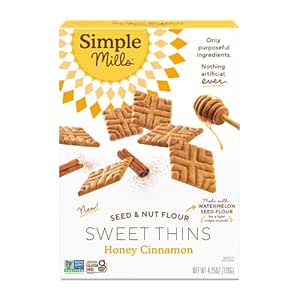
Simple Mills Honey Cinnamon Seed & Nut Flour Sweet Thins
A “crunchy” option made with seed/nut flours. Works best when paired with yogurt or nut/seed butter.
View on Amazon
The Complete Cookbook for Young Chefs (America’s Test Kitchen Kids)
Cooking skills reduce reliance on ultra-processed snacks. Kids who can make simple food feel more ownership and curiosity.
View on AmazonFAQ
Do ultra-processed foods automatically cause health problems?
No single food is destiny. Risk is about patterns over time. Research suggests higher ultra-processed intake is associated with higher energy intake and worse health outcomes in many settings, but individuals differ. A realistic goal is to reduce everyday reliance, not to aim for perfection.
Is “organic” always a safer snack choice?
Organic can reduce pesticide exposure, but an organic ultra-processed snack is still ultra-processed. Use organic as a bonus, not as the main decision rule.
What is the easiest first step for picky eaters?
Keep one “safe” snack, but upgrade the routine: pair it with a protein or fruit, and keep water available. Small additions work better than sudden replacements.
Do artificial sweeteners harm the microbiome in kids?
Human evidence is mixed and depends on sweetener type, dose, and individual baseline gut patterns. The safer practical choice is to avoid making very sweet “sugar-free” foods an everyday habit and to prioritize whole-food sweetness.
How do I handle school snacks and parties?
Use an 80/20 mindset. Build strong defaults at home so occasional ultra-processed foods outside the home do not become a daily pattern. When possible, pack structured snacks (protein + fiber) so kids are not arriving extremely hungry.
Conclusion
Ultra-processed snacks are popular because they are convenient, heavily marketed, and engineered to taste amazing. But kids thrive on consistent building blocks: protein, fiber, minerals, and real-food variety. The most effective strategy is not fear, restriction, or food lectures. It is changing the default environment: portioned containers, easy fruit and protein options, and a short-list of “better convenience” snacks for busy days.
When snack patterns become steadier, many families notice a ripple effect: fewer crashes, calmer afternoons, and more reliable appetite at meals. Small steps compound — and a smarter pantry is one of the simplest ways to support kids’ long-term health.
Scientific sources
- Monteiro CA, Cannon G, Levy RB, et al. The NOVA food classification system and ultra-processing. PubMed.
- Hall KD, Ayuketah A, Brychta R, et al. Ultra-Processed Diets Cause Excess Calorie Intake and Weight Gain: An Inpatient Randomized Controlled Trial. PubMed.
- Srour B, Fezeu LK, Kesse-Guyot E, et al. Ultra-processed food intake and risk of cardiovascular disease: prospective cohort study (NutriNet-Santé). PubMed.
- Costa CS, Del-Ponte B, Assunção MCF, Santos IS. Consumption of ultra-processed foods and body fat during childhood and adolescence: a systematic review. PubMed.
- Lane MM, Davis JA, Beattie S, et al. Ultra-processed food and chronic noncommunicable diseases: a systematic review and meta-analysis of 43 observational studies. PubMed.


