Why Kids Wake Up Tired: Nutrition Mistakes Parents Don’t Realize They’re Making
Smart Kids Health
Why kids wake up tired is a question parents ask all the time. When a child drags through the morning, parents usually think about bedtime or screen time. Yet one of the biggest hidden reasons for low energy is what (and when) a child eats and drinks in the previous 24 hours.
Introduction: when “a good night of sleep” still ends in a tired morning
Imagine this: your child goes to bed on time, the house is quiet, and they seem to sleep through the night. Yet at 7:00 a.m. they are cranky, slow to get dressed, and say they are still tired. If this happens again and again, it is easy to blame “laziness” or too little discipline. In reality, the problem is often biological, not moral.
Research shows that sleep, diet, and behavior are deeply linked in children. Shorter sleep duration is associated with higher intakes of sugar and ultra-processed foods, and children who frequently drink sugar-sweetened beverages often sleep less than those who rarely do.1,2 Vitamin and mineral status (for example vitamin D and iron) can also influence sleep quality, mood, and attention.3,4
This article looks at the quiet nutrition mistakes parents often do not notice, and how small changes in food patterns can lead to calmer bedtimes and easier mornings. It is not about being perfect or following a strict “clean eating” plan. It is about understanding how a growing body works, so you can support your child in a realistic, family-friendly way.
Hidden nutrition mistakes that keep kids tired
1. Sugary drinks and snacks too close to bedtime
Many “tired kids” had a surprisingly sugary evening: sweetened yogurt, juice boxes, flavored milk, dessert, or “only one” soda at a family event. Studies in children and teens show a clear association between frequent sugar-sweetened beverage intake and shorter sleep duration, along with more sleep debt.2,5,6
When a child has a high-sugar snack at night, blood sugar rises quickly and then falls. That rise can make it harder to fall asleep; the fall can trigger hunger signals, restlessness, and even early morning wakeups. Over time, frequent sugar spikes are also linked with weight gain and metabolic problems.
2. Skipping or “under-eating” breakfast
Breakfast is not magic, but it does matter. Systematic reviews show that children who eat breakfast tend to perform better on memory and attention tests than those who skip it, especially when their overall nutrition is not ideal.7,8
When a child starts the day with only a few bites of a refined snack or nothing at all, they may feel low in energy all morning. The brain needs a steady supply of glucose and micronutrients, not a sudden rush of sugar followed by a crash.
3. Long gaps without food
Some children go from an early lunch at school (for example, 11:30 a.m.) to a late family dinner (7:30 p.m.) with almost nothing in between. Others eat a very small dinner and then nothing until the next morning. These long gaps can lead to:
- Very strong hunger in the evening, pushing kids to eat quickly and choose very sweet foods.
- Night-time stomach discomfort or reflux when a huge meal is eaten just before bed.
- Low blood sugar in the early morning, leading to irritability and headaches.
4. Hidden caffeine and “energy” products
Many parents are surprised to learn how much caffeine children can get from iced tea drinks, sodas, chocolate products, or sips of energy drinks. Professional groups now recommend that children and young teens avoid caffeinated beverages whenever possible, because they can disturb sleep and affect blood pressure and mood.9
Even moderate caffeine in the afternoon can delay sleep onset and shorten deep sleep, especially in sensitive children. If your child wakes tired, consider whether any caffeinated products are sneaking into their day.
5. Not enough “real food” at dinner
Ultra-processed foods (fast food, instant noodles, packaged snacks) are convenient, but high intakes are linked with poorer sleep quality and more sleep difficulties in children and adolescents.10 These foods are often low in fiber, iron, and key vitamins, and high in sodium and additives.
A child who mostly eats refined, salty, and sweet foods may technically be “full,” but their body still lacks building blocks needed for stable energy and good sleep.
6. Low iron status
Iron deficiency and iron deficiency anemia are common in childhood. Research shows that low iron is linked with fatigue, reduced cognition, and behavior problems, and that children anemic in infancy can continue to have poorer school achievement later in childhood.4,11
Low iron may also contribute to restless legs and fragmented sleep, which parents often describe simply as “my child tosses and turns all night.”
7. Low vitamin D and irregular outdoor time
Vitamin D is widely known for bone health, but growing evidence links low vitamin D levels with shorter sleep duration and poorer sleep efficiency in children.3,12,13 Vitamin D status depends on sunlight exposure, diet, and sometimes supplements.
Children who spend very little time outside, wear heavy sunblock all day, or live in high latitudes may be at higher risk. Dietary intake of vitamin D is often low, especially in picky eaters.
8. Dehydration
Mild dehydration in children can cause headaches, poor concentration, and a sense of tiredness. Many kids drink mostly at school, then forget to drink water through the evening. That can leave them feeling foggy and headachy the next morning.
Key nutrients and patterns for steady morning energy
Instead of chasing a single miracle vitamin, think in patterns: balanced meals, regular timing, and a few nutrients with especially strong evidence for energy, cognition, and sleep in children.
1. Iron: oxygen, attention, and sleep
Iron helps red blood cells carry oxygen. Without enough iron, tissues and the brain receive less oxygen, leading to tiredness, pale skin, reduced exercise tolerance, and difficulty concentrating. Reviews of iron deficiency and child development show consistent links between low iron and poorer cognition and behavior.4,11
Where to get it:
- Animal sources: lean red meat, dark poultry, liver (occasionally), egg yolks.
- Plant sources: lentils, beans, tofu, chickpeas, fortified cereals, pumpkin seeds.
Vitamin C (from fruits and vegetables) helps the body absorb plant-based iron. Try pairing beans with tomato salsa, or fortified cereal with berries.
Supplement note: iron supplements should only be used when recommended by a doctor, because too much iron can be harmful. If your child seems chronically tired, pale, or has a restricted diet, ask your pediatrician about screening for iron deficiency instead of self-prescribing iron.
2. Vitamin D: sleep quality and mood
Several studies and reviews suggest that low vitamin D levels are associated with sleep disturbances in children, including shorter sleep duration and lower sleep efficiency.3,12,13 Vitamin D is also involved in immune function and bone health.
Sources of vitamin D:
- Sunlight exposure on skin (depending on latitude, season, and skin tone).
- Foods: fatty fish, egg yolks, fortified milk or plant milks, some yogurts and cereals.
- Supplements: drops or gummies designed for children, used under medical advice.
If your child rarely gets direct sun or avoids vitamin D rich foods, talk with the pediatrician about checking levels and considering a vitamin D supplement in the appropriate dose.
3. Balanced carbohydrates, protein, and fat at dinner
The structure of the evening meal strongly influences night-time blood sugar and how rested a child feels in the morning. Very high carbohydrate, low protein dinners can cause blood sugar swings; very heavy, high-fat meals can cause indigestion.
A simple template for most school-age children:
- Half the plate: vegetables (cooked or raw) and some fruit.
- Quarter of the plate: whole grain or starchy food such as brown rice, whole-wheat pasta, quinoa, sweet potato, or whole-grain bread.
- Quarter of the plate: protein (beans, lentils, tofu, fish, poultry, eggs, or lean meat).
- Plus a small serving of healthy fats (olive oil, avocado, nuts or seeds if age-appropriate).
Families do not need to follow a perfect plate at every meal, but keeping this picture in mind helps balance energy and reduce nighttime hunger.
4. Fiber and gut health
Children with constipation or irregular bowel habits often sleep poorly and wake feeling unwell. High-fiber foods (whole grains, fruits, vegetables, legumes) support a healthier gut microbiome. Gut microbes produce short-chain fatty acids that may influence sleep regulation and inflammation.
Aim for fiber from whole foods rather than fiber gummies alone. Gradually increase fiber while keeping water intake adequate, to avoid bloating.
5. Hydration and electrolytes
Regular water intake helps maintain blood volume and circulation. While sports drinks are heavily marketed, most children do not need them outside of very intense, prolonged exercise in hot weather. Water, milk, and unsweetened drinks are generally enough.
Some families like to keep a small, spill-safe water bottle by the bed so that children can take a sip at night without fully waking. A stainless steel kids bottle can be helpful here, as long as it is not filled with sugary drinks.
A gentle 24-hour routine for better mornings
Instead of focusing on a single “magic” step, consider how the entire 24-hour cycle flows. Here is a realistic pattern many families can adapt:
Morning
- Offer a simple, balanced breakfast that includes protein (for example, oatmeal with milk and fruit; whole-grain toast with nut butter and banana; eggs with a small piece of toast and berries).
- Encourage a glass of water alongside breakfast.
- If your child takes a prescribed supplement (for example, vitamin D or iron), follow your doctor’s timing instructions.
School hours and afternoon
- Pack a lunch with a mix of complex carbohydrates, protein, and colorful produce. Even one extra fruit or vegetable serving is progress.
- Include a planned afternoon snack to avoid the “I am starving” crash at 4–5 p.m. Think yogurt and fruit, hummus with crackers, cheese and whole-grain crackers, or a small sandwich.
- Offer water regularly instead of juice or soda.
Evening and dinner
- Try to finish dinner two to three hours before bedtime when possible.
- Use the “quarter-quarter-half” plate pattern described above most nights.
- Keep very salty, spicy, or greasy foods occasional, as they can cause reflux or stomach discomfort at night.
Bedtime snack (if needed)
Some children sleep better with a small snack; others do not need it. Reasonable options include:
- A small bowl of yogurt with a few berries.
- A banana with a spoon of peanut or almond butter.
- A small glass of warm milk and half a slice of whole-grain toast.
Avoid large portions or high-sugar desserts close to bedtime.
Light, environment, and routine
Nutrition and environment work together. A child who eats well but falls asleep in a bright room with a television running late into the night will still wake tired. Dim lights in the last hour before bed, switch off devices, and keep a predictable order: wash, pajamas, snack if needed, story, and lights out.
Helping without pressure: how to talk about food and sleep
Children quickly sense anxiety around food. If parents talk about “good” and “bad” foods in a harsh way, some kids become secretive or anxious eaters. A calmer frame is more helpful: “This food helps your body feel awake and strong in the morning,” versus “Do not eat that, you will get sick.”
Some ideas:
- Explain that the body needs different “helpers”: foods for strong muscles (protein), foods for quick energy (carbohydrates), foods for focus and calm (healthy fats and micronutrients).
- Invite your child to help build their plate: “Which vegetable should we add so your superhero body gets its color fuel?”
- Connect choices to real experiences: “Do you remember how grumpy you felt last time you skipped breakfast? Let us try a small breakfast today and see if school feels easier.”
Real-life example: a celebrity bedtime routine
Many public figures have spoken about how important predictable routines and a calm environment are for their children’s sleep. Actress Kristen Bell, for example, has described her daughters’ structured bedtime routine, including consistent steps like bath, pajamas, tooth brushing, and reading together before lights out.14 While every family is different, stories like this highlight how small, repeated actions signal the brain that it is time to rest.
This type of routine works even better when it is paired with supportive nutrition patterns: a not-too-late dinner, limited evening sugar, and gentle hydration rather than exciting drinks. Some families also like to use a dim, warm-colored night light and soft white noise to create a cozy sleep environment.
When to see a pediatrician
Even with healthy routines, some children continue to wake tired. It is important to talk with a pediatrician if you notice any of the following:
- Snoring, gasping, or pauses in breathing during sleep.
- Very restless sleep, frequent night terrors, or sleepwalking.
- Persistent morning headaches or severe daytime sleepiness.
- Markedly pale skin, rapid heartbeat, or very low stamina with play.
- Significant weight loss, poor growth, or a very restricted diet.
The doctor may screen for conditions like sleep apnea, iron deficiency, thyroid disease, or other medical issues that require specific treatment. Nutrition changes are powerful, but they do not replace medical evaluation when red flags are present.
FAQ: common parent questions
- Does sugar really keep kids from sleeping?
- High sugar intake, especially from sugar-sweetened beverages, is associated with shorter sleep duration and more sleep difficulties in children.2,5,6,15 Sugar is not the only factor, but frequent sugary drinks and desserts in the evening can absolutely make it harder for a child to fall and stay asleep.
- Is it safe to give my child a vitamin D or iron supplement for tiredness?
- Vitamin D supplements are often recommended in low-sunlight regions or for children with low levels, but dose and form should be chosen with a pediatrician. Iron supplements should never be started without medical guidance, because too much iron can be toxic. Blood tests are usually needed before prescribing iron.
- How long will it take to see changes if we improve nutrition?
- Some families notice better mornings within one to two weeks of reducing evening sugar and adding a balanced breakfast. Improvements from correcting nutrient deficiencies (for example iron or vitamin D) may take several weeks to months, depending on the severity and treatment plan.
- Do kids need special “sleep gummies”?
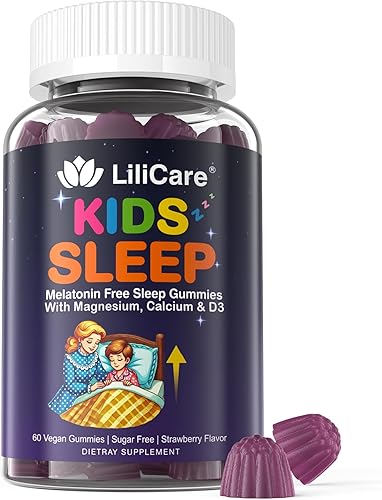
- Many “sleep” products combine magnesium, herbs, and sometimes melatonin. Some children may benefit from magnesium or herbal blends, but scientific evidence in healthy children is still limited. Always discuss these products with your pediatrician, especially anything containing melatonin. For many kids, consistent routines and nutrition changes are enough.
- What if my child is a very picky eater?
- Picky eating can make it harder to cover all nutrient needs through food alone. In that case, a pediatrician or dietitian may recommend a child-appropriate multivitamin or targeted supplement, along with behavioral strategies to expand food variety over time.
Product picks: tools that support calmer evenings and better mornings
These are examples of popular, parent-friendly items that fit the ideas in this article. Always follow label directions and talk with your child’s healthcare provider before starting any supplement.



Conclusion
When a child wakes up tired morning after morning, it is tempting to focus only on bedtime. In reality, the story starts much earlier: at breakfast, in the lunchbox, during after-school snacks, and at the dinner table. Frequent sugary drinks, skipped breakfasts, low iron or vitamin D, and long gaps without balanced food can quietly drain a child’s energy and disrupt sleep.
The good news is that small, realistic changes add up. A bit more fiber and protein at dinner, water instead of soda, a consistent breakfast, and attention to key nutrients can make mornings noticeably smoother. Combined with a calm bedtime routine and appropriate medical care when needed, nutrition becomes a powerful ally for your child’s sleep, mood, and learning.
Scientific references
- Hoppe C et al. Relationship between sleep duration and dietary intake in children. European Journal of Clinical Nutrition. 2013. Link
- Shih YH et al. The association between frequent sugar-sweetened beverage intake and short sleep duration in children. Frontiers in Nutrition. 2022. Link
- Al-Shawwa B et al. Vitamin D and sleep in children. Current Opinion in Pulmonary Medicine. 2020. Link
- Grantham-McGregor S, Ani C. A review of studies on the effect of iron deficiency on cognitive development in children. Journal of Nutrition. 2001. Link
- Cao M et al. Short sleep duration is associated with specific food intake increase among school-aged children in China. BMC Public Health. 2019. Link
- Shahdadian F et al. Association between short sleep duration and intake of sugar-sweetened beverages: a systematic review. Sleep Health. 2023. Link
- Hoyland A et al. A systematic review of the effect of breakfast on cognitive performance of children and adolescents. Nutrition Research Reviews. 2009. Link
- Raza S et al. Association of breakfast skipping with academic performance among school children. International Journal of Biomedicine and Research. 2024. Link
- Zhu L et al. Research advances in children’s sleep and vitamin D levels. Annals of Pediatric Endocrinology & Metabolism. 2025. Link
- East PL et al. Iron deficiency in infancy and sluggish cognitive tempo in childhood. Journal of Developmental and Behavioral Pediatrics. 2021. Link
- Frontiers in Pediatrics. Eating habits matter for sleep difficulties in children and adolescents. 2023. Link
- Healthy Eating Research. Recommendations on caffeine intake for children and adolescents. Summary reported in Health.com. 2024. Link
- 2 Minute Medicine. Vitamin D deficiency may be associated with sleep disorders in children. 2022. Link
- 2 Minute Medicine. Sugar-sweetened beverage intake may be associated with lower sleep duration in children. 2024. Link
Media source for real-life example
- The Bump. “Kristen Bell Reveals Why She Makes Her Daughters Share a Room.” 2020. Bedtime routine discussion. Link


