How Antibiotics Affect a Child’s Microbiome & What Parents Should Know.
Antibiotics save lives — but they can also disrupt a child’s microbiome in ways that affect immunity, digestion, mood, and long-term health.
When your child has an ear infection, strep throat, or pneumonia, antibiotics can feel like a miracle. Within days, the fever drops and energy returns. But behind the scenes, something far more complex is happening inside your child’s gut. Antibiotics don’t just kill harmful bacteria — they also reduce beneficial microbes that form the foundation of your child’s microbiome.
Understanding how antibiotics affect a child’s microbiome is essential for every parent. The goal is not to avoid antibiotics when they are necessary — but to use them wisely and support recovery properly.
What Is the Child Microbiome?
The microbiome refers to trillions of bacteria, viruses, and fungi living primarily in the gut. In children, this ecosystem plays a vital role in:
- Immune system development
- Digestive health
- Nutrient absorption
- Brain development via the gut-brain axis
- Inflammation regulation
Research published in Cell shows that early childhood is a critical window for microbiome development, and disturbances during this period may have long-term health consequences.
How Antibiotics Disrupt the Gut Microbiome
Antibiotics are broad-spectrum weapons. While targeting harmful bacteria, they often eliminate beneficial strains such as Lactobacillus and Bifidobacterium. Studies in Nature Reviews Microbiology demonstrate that even short antibiotic courses can reduce microbial diversity for months.
Short-Term Effects
- Diarrhea
- Stomach pain
- Bloating
- Increased yeast overgrowth risk
Long-Term Risks Being Studied
- Increased allergy risk
- Asthma development
- Higher obesity risk
- Altered immune maturation
A large cohort study in The BMJ linked repeated antibiotic exposure in early life with increased body mass index later in childhood.
The Gut-Brain Connection: Behavior & Mood
The gut communicates with the brain through the vagus nerve and microbial metabolites. This is known as the gut-brain axis. When antibiotics alter gut bacteria, children may temporarily experience:
- Irritability
- Sleep disturbances
- Changes in appetite
- Difficulty concentrating
Research in Translational Psychiatry highlights the connection between microbiome composition and emotional regulation in children.
When Antibiotics Are Absolutely Necessary
It is crucial to emphasize: antibiotics save lives. Bacterial pneumonia, strep throat, urinary tract infections, and certain ear infections require prompt treatment. The key question parents should ask is:
Is this infection bacterial or viral?
Antibiotics do not treat viral infections such as colds or flu.
How to Support Your Child’s Microbiome During & After Antibiotics
1. Use a Clinically Studied Probiotic

Contains Lactobacillus rhamnosus GG, one of the most researched strains for antibiotic-associated diarrhea prevention in children.
A randomized controlled trial published in JAMA supports the use of Lactobacillus rhamnosus GG to reduce antibiotic-associated diarrhea.
2. Add Prebiotic Fiber
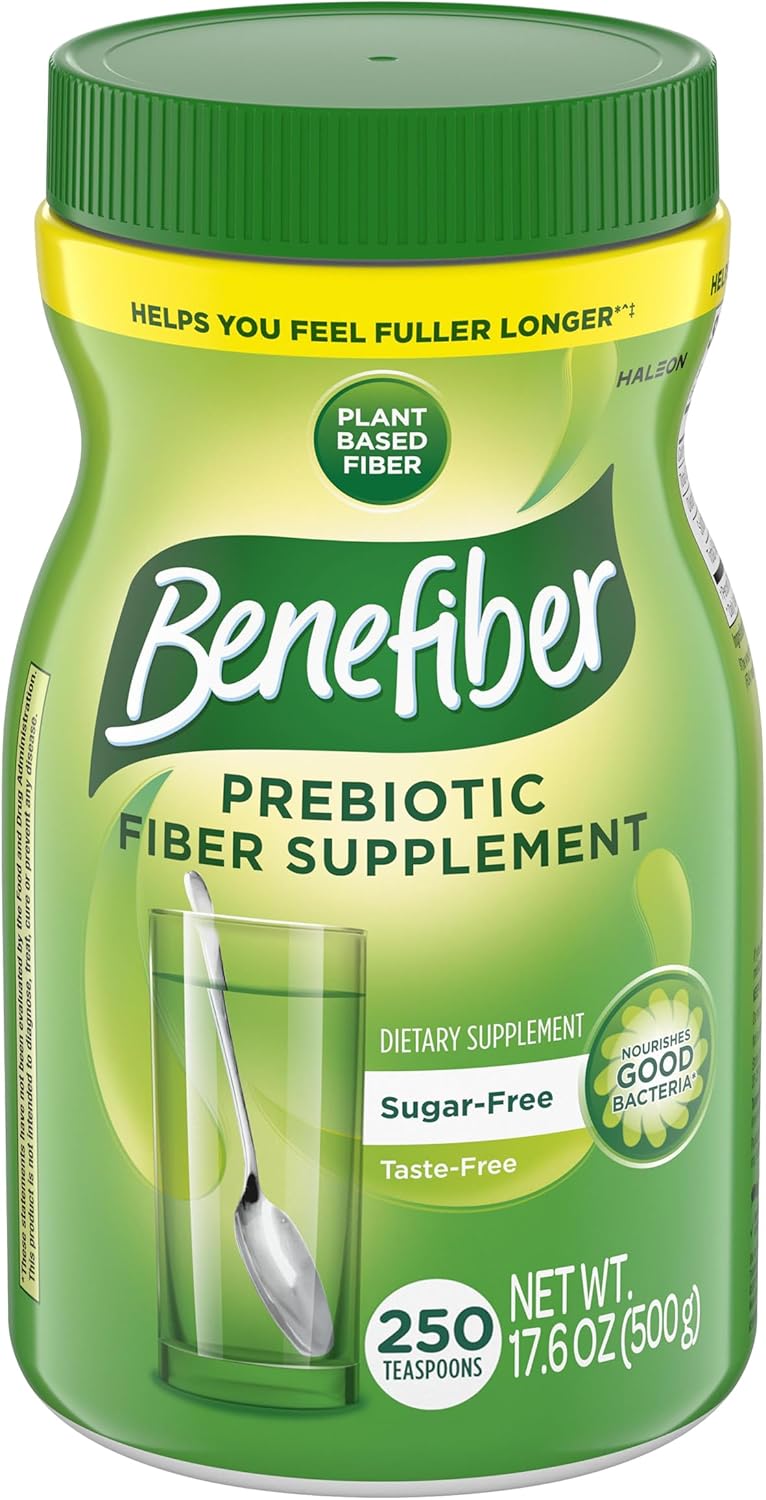
Prebiotic fibers help feed beneficial bacteria and restore microbial balance after antibiotic use.
Prebiotics such as inulin have been shown in Gut Microbes to enhance recovery of beneficial bacteria populations.
3. Fermented Foods for Natural Diversity

Rich in live active cultures that support microbiome diversity.
Fermented dairy products containing live cultures are associated with improved gut resilience according to research in Frontiers in Microbiology.
4. Child-Friendly Fermented Vegetable Option

Provides naturally occurring probiotics and digestive enzymes.
5. Pediatric Multivitamin with Zinc & Vitamin D
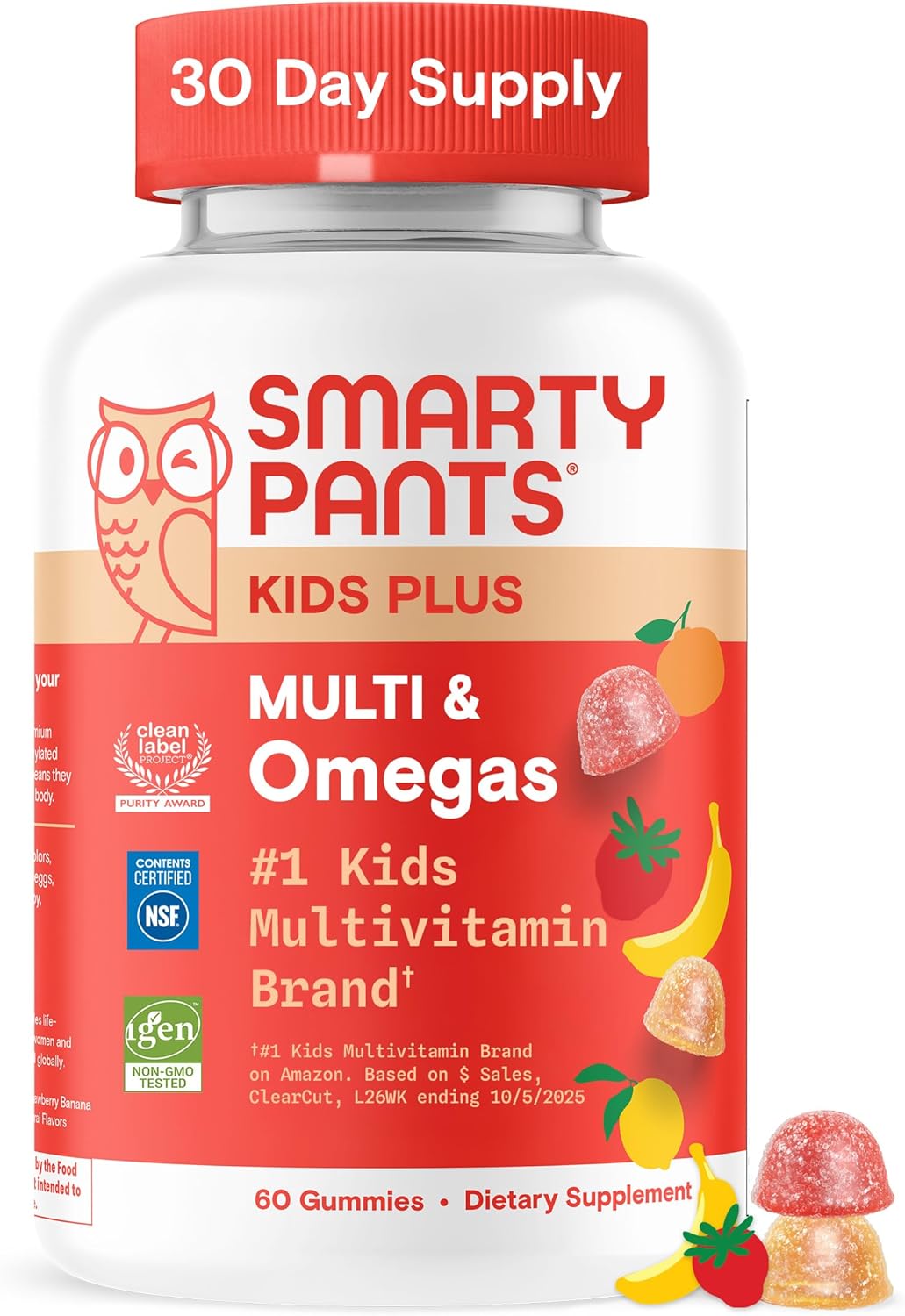
Supports immune recovery post-antibiotics with vitamin D and zinc.
A Real-World Example
Olympic swimmer Michael Phelps has publicly discussed how gut health and nutrition became central to his recovery and immune resilience during intensive training periods. While not specifically about antibiotics, elite athletes often emphasize microbiome-supporting diets to maintain performance under physical stress.
High-performance nutrition programs used in professional sports are increasingly built around microbiome science, as noted in research published in Sports Medicine.
How Long Does Microbiome Recovery Take?
Some studies suggest partial recovery occurs within weeks, but full diversity restoration may take months. Factors that influence recovery include:
- Diet quality
- Repeated antibiotic exposure
- Age of the child
- Breastfeeding history
- Environmental exposure
Smart Questions Parents Should Ask Doctors
- Is this infection confirmed bacterial?
- Is a narrow-spectrum antibiotic possible?
- What is the shortest effective course?
- Should we use probiotics during treatment?
Conclusion
Antibiotics are one of modern medicine’s greatest achievements — but they are not harmless. In children, they can significantly alter the gut microbiome during critical stages of immune and neurological development.
Parents do not need to fear antibiotics. Instead, they should understand them, use them responsibly, and actively support their child’s microbiome during and after treatment. A balanced diet, targeted probiotics, and thoughtful medical decisions can help protect long-term health.
Scientific Sources
1. Yatsunenko et al. Human gut microbiome viewed across age and geography. Cell. 2012.
2. Francino MP. Antibiotics and the Human Gut Microbiome. Nature Reviews Microbiology. 2016.
3. Rasmussen et al. Antibiotic exposure and obesity in childhood. The BMJ. 2018.
4. Dinan TG & Cryan JF. Gut microbiota and brain development. Translational Psychiatry. 2017.
5. Szajewska et al. Lactobacillus rhamnosus GG for prevention of antibiotic-associated diarrhea. JAMA. 2014.
6. Gibson et al. Dietary prebiotics: current status and new definition. Gut Microbes. 2017.
7. Marco ML et al. Health benefits of fermented foods. Frontiers in Microbiology. 2017.
8. Clark & Mach. Exercise-induced stress behavior and microbiome. Sports Medicine. 2016.
We are not responsible for medical decisions made based on this article. Always consult your pediatrician before starting supplements or changing treatment plans.


